Cute Bunnies Vol. 2 SVG Illustrations Review
A Designer's Take on Real-World Embroidery Potential
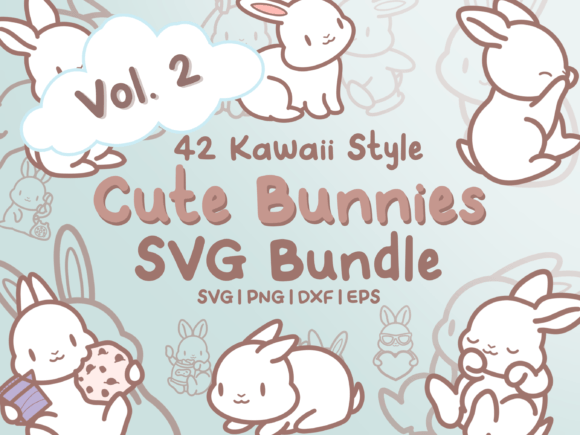
As someone who has spent years navigating the intersection of digital art and physical stitching, I approach every new machine embroidery design with a critical eye. The market is flooded with assets that look beautiful on a screen but fall apart when translated into thread. Recently, I evaluated Cute Bunnies Vol. 2 SVG Illustrations, a collection promising 42 illustrations of bunnies engaging in various adorable activities. My goal was simple: determine if these graphics can withstand the rigors of real-world production for small business owners, Etsy sellers, and hobbyists alike.
The first thing to note is the format. The listing explicitly states that the images are black, single-layer line drawings. This is a crucial detail for any professional designer. Unlike pre-digitized files with built-in stitch types like satin stitch or fill stitch, these are vector-based Illustrations intended for you to digitize or use as a guide. The full-color examples provided are merely conceptual; they show the potential, not the final output. For a craft business owner, this means you have total creative control over the thread colors and stitch density, but it also places the responsibility of successful digitization squarely on your shoulders.
Visual Personality and Mood
Visually, Cute Bunnies Vol. 2 SVG Illustrations exudes a playful, whimsical charm. The lines are clean, and the poses range from hopping to holding carrots, creating a cohesive theme perfect for spring collections or nursery decor. The simplicity of the line art suggests a style that translates well into modern, minimalist embroidery. However, the "cute" factor relies heavily on how the curves are rendered in thread. A poorly digitized curve can turn a soft bunny ear into a jagged mess, ruining the visual appeal of the finished product.
When I imagine using these designs for a custom project, my mind immediately goes to baby embroidery and personalized gifts. Think of a soft cotton onesie or a plush pillow cover where a single, bold bunny outline could serve as a focal point. The lack of intricate internal details in the source files actually works in our favor here. It reduces the risk of thread bunching in tight spaces, which is a common issue when converting complex Graphics into embroidery files.
Practical Application in Custom Apparel
Let's walk through a realistic scenario. Imagine you are an Etsy seller preparing a batch of custom tote bags for an upcoming holiday sale. You select a specific bunny from the Cute Bunnies Vol. 2 SVG Illustrations set. Because these are single-layer line drawings, you would likely choose a running stitch or a very narrow satin stitch to trace the outlines. This technique creates a delicate, hand-drawn aesthetic that feels high-end and artisanal.
However, the choice of fabric matters immensely. If you are working with a heavy canvas tote bag, the texture might obscure finer lines. In this case, you might need to increase the hoop size slightly to ensure the design sits flat and the tension is even. Conversely, if you were applying this to a sweatshirt embroidery project, the stretchiness of the knit fabric requires careful stabilization. Without a proper stabilizer, the fabric could pucker around the bunny's ears, distorting the shape and diminishing the professional look of your handmade product.
For commercial embroidery projects, such as branding for a boutique shop, consistency is key. Since you are dealing with 42 different illustrations, ensuring that every bunny looks equally crisp across different garments is vital for brand recognition. You cannot simply upload the file to a machine and hope for the best. Each design within Cute Bunnies Vol. 2 SVG Illustrations may require individual tweaking of pull compensation and underlay stitches to maintain uniformity.
Navigating Technical Challenges
While the potential is high, there are specific areas where caution is required. These designs are not inherently suited for tiny hoop sizes without significant modification. Some of the bunnies performing complex actions might have thin limbs or small details that vanish if scaled down too much. If you attempt to embroider a detailed pose on a small cap or a baby hat, the result might be a tangled knot rather than a recognizable character.
Furthermore, the interaction with dark fabrics presents a challenge. Since the original files are black line drawings, using them on dark backgrounds requires a white underlay or a light-colored thread that contrasts sharply. If the contrast is low, the embroidered patch or design will lack definition, making the personalized gift look unfinished. Always test your color combinations on scrap fabric before committing to customer orders.
Dense stitch areas are another consideration. While the line art is simple, filling large areas with fill stitch based on these vectors can lead to excessive thread usage and stiffness. For items like kitchen towels or aprons that undergo frequent washing, a dense fill might crack or peel over time. A lighter, open-stitch approach often yields better durability and a softer hand feel, which customers appreciate in small shop products.
Strategic Advice for Designers and Makers
To get the most out of Cute Bunnies Vol. 2 SVG Illustrations, follow these practical steps:
- Test Digitization First: Never skip the test run on scrap fabric. Check how the software interprets the vector lines and adjust the stitch density accordingly.
- Verify Licensing: Before selling finished items or creating digital product previews, confirm the license terms. Ensure you are permitted to sell physical goods made with these designs.
- Mockup Strategy: Use printable mockups to visualize how the design looks in black and white versus color. This helps clients understand the final outcome without seeing a colored preview that doesn't match the actual file structure.
- Fabric Selection: Match the design complexity to the fabric texture. Smooth cottons work best for fine line work, while textured linens might require thicker lines.
- Stabilizer Choice: Invest in high-quality stabilizers, especially for stretchy knits or curved surfaces like caps. The difference between a puckered mess and a crisp design often lies in the backing.
Final Verdict on Value and Versatility
Cute Bunnies Vol. 2 SVG Illustrations offers a versatile foundation for creative entrepreneurs willing to put in the technical work. It is not a "plug-and-play" solution for those seeking instant results, but for experienced designers and serious crafters, it provides the flexibility to create unique, high-value design assets. The ability to customize the stitch type, thread weight, and scale allows you to tailor each piece to specific client needs, whether it's a delicate holiday embroidery accent or a bold statement on a denim jacket.
Ultimately, the success of this collection depends on your skill in translating 2D vectors into 3D thread. If you approach these Illustrations with patience and attention to detail, they can become a staple in your portfolio, enhancing your reputation for quality and creativity. For the small business owner looking to expand their catalog with seasonal or themed items, this collection holds genuine promise, provided you respect the nuances of the medium.